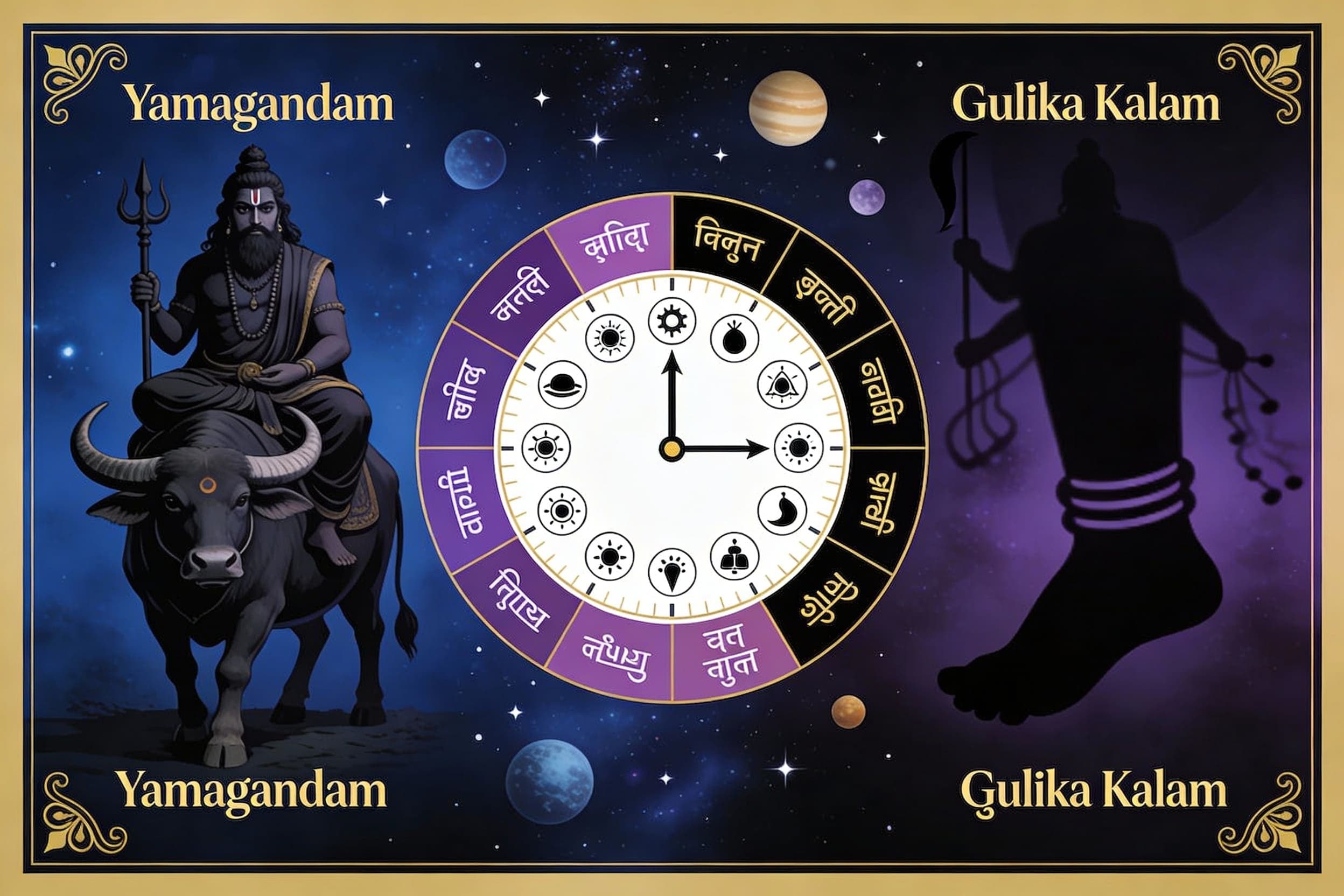
Muhurats represent auspicious timings in Vedic astrology for key life events, while kundali refers to birth charts used to ensure compatibility and harmony. These concepts vary between North and South Indian traditions, reflecting regional astrological practices.
What is Muhurat?
Muhurat is a precisely calculated auspicious time segment based on planetary positions, tithis (lunar days), nakshatras, and yogas to maximize success in activities like marriages or business starts. It aligns human endeavors with cosmic energies, mitigating negative influences from planets like Saturn or Mars. Choghadiya divides days into segments ruled by planets, deeming Venus or Jupiter periods favorable.
North Indian Approach
North Indian muhurats emphasize Tithi, Nakshatra, and elaborate pujas, often using Purnimant calendars where months end on full moon. Kundali matching follows Ashtakoota Milan, scoring 36 gunas across eight kootas like Varna (1 point), Nadi (8 points); scores above 18 indicate viability, with focus on Mangal Dosha and Bhakoot Dosha. Weddings typically occur in evenings based on flexible muhurats aligned with planetary transits and personal kundalis.
South Indian Approach
South Indians use Amavasyant calendars and prioritize Hora (planetary hours), Graha Doshas, with weddings in early mornings (dawn to 10 AM) per scriptures. Kundali matching employs 10 Poruthams like Dina (health), Rajju (longevity—mismatch often rejects alliances), Mahendra (progeny), using sign-based charts. Personal horoscopes integrate with muhurat charts treated as birth charts for predictions.
Role of Kundali in Muhurat
Kundalis match event timing to birth charts, ensuring planetary harmony; e.g., Tara matching counts nakshatras from janma nakshatra for safety. North focuses on Guna scores and doshas, South on Poruthams like Rajju for dosha-free unions. Both select muhurats avoiding Panchakam (e.g., remainder 1/9 as Mrityu) and retrogrades.
References:

.png&w=3840&q=75)