Yamagandam and Gulika Kalam: Understanding the Inauspicious Periods in Vedic Astrology
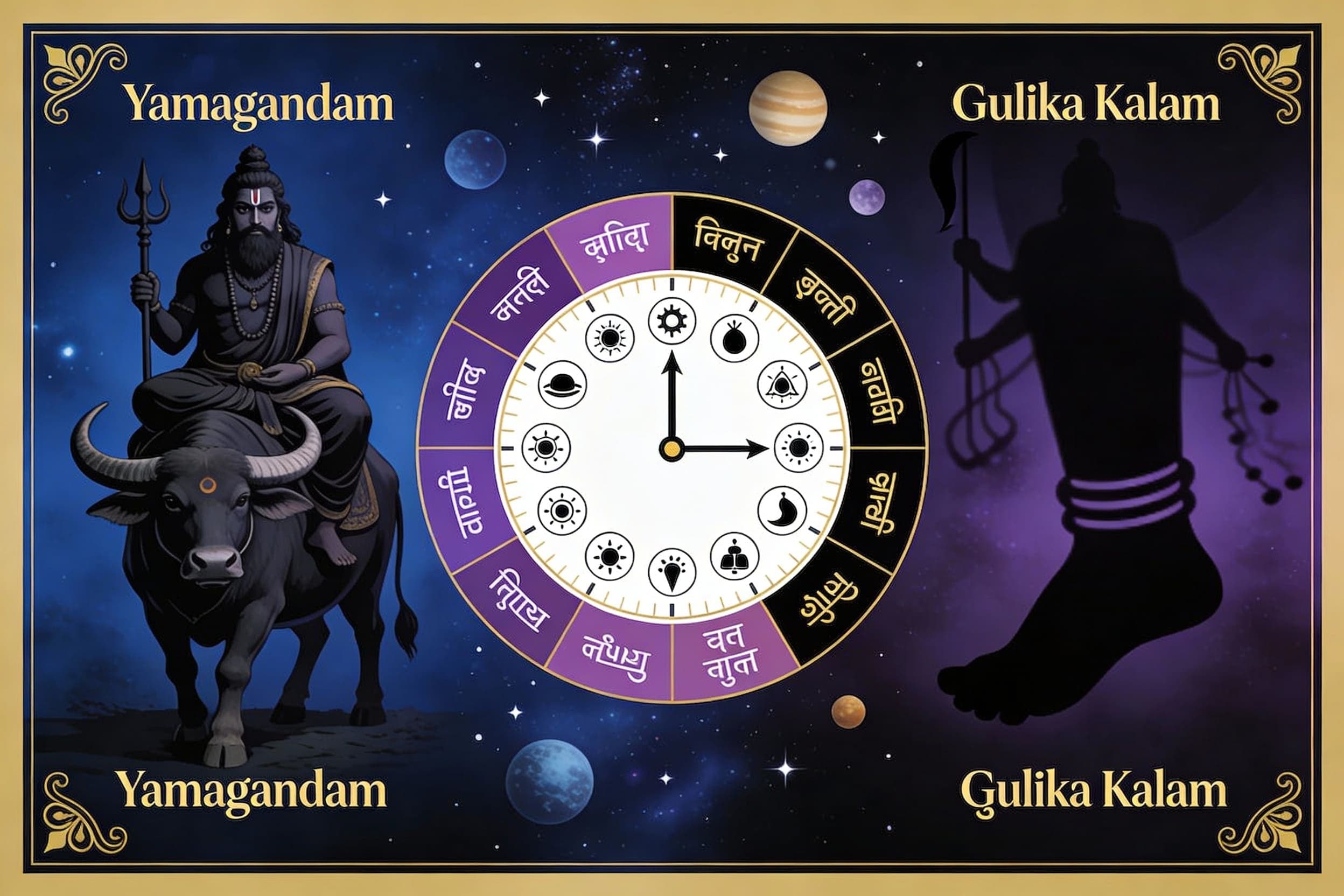
Yamagandam and Gulika Kalam are two distinct inauspicious periods in Vedic astrology that occur daily during the 8 segments between sunrise and sunset.
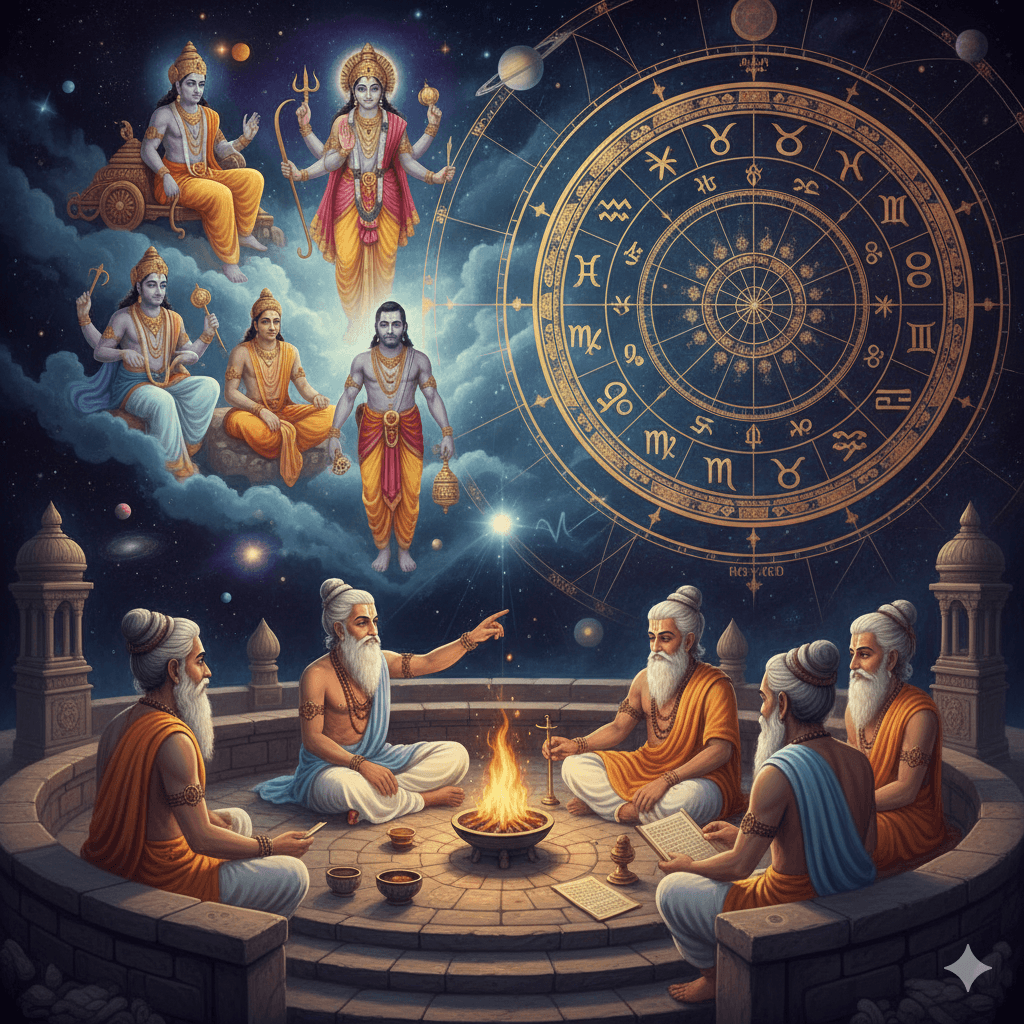
Yamagandam and Gulika Kalam are two distinct inauspicious periods in Vedic astrology that occur daily during the 8 segments between sunrise and sunset.
Vedic Astrology, or Jyotish ("science of light"), originated in ancient India over 5,000 years ago, deeply rooted in the Hindu Vedas, particularly the Atharvaveda, as a Vedanga (limb of the Vedas) for understanding cosmic alignment and destiny.
Mayan astrology offers a perspective that is fundamentally different from Western and Vedic traditions by focusing on spiritual energies and cosmic cycles rather than planetary movements.
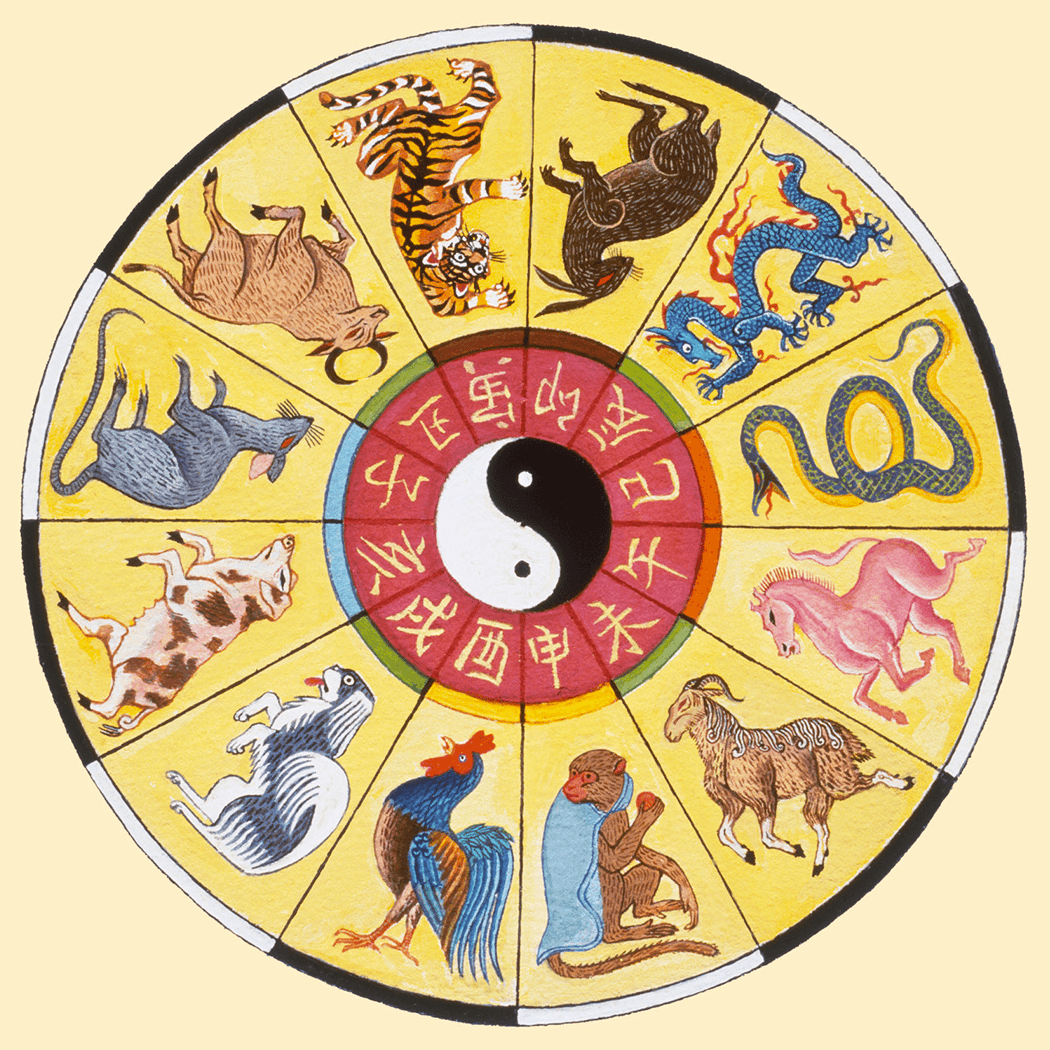
The Chinese zodiac, known as Sheng Xiao (生肖), is a system that assigns an animal sign to each year in a repeating 12-year cycle, based on the lunar calendar.
Planetary alignments in astronomy occur when multiple planets appear close together in the sky from Earth's perspective, sometimes forming a striking line or cluster.
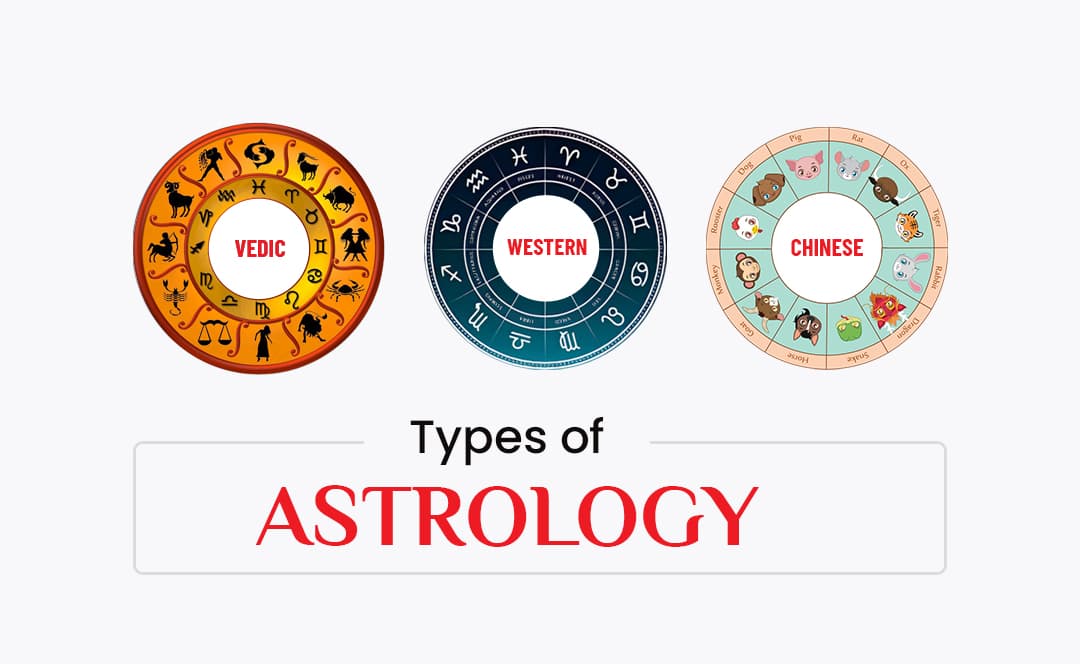
There are several popular types of astrology practiced across the globe, each with distinct systems and cultural roots.